

Neck or arm pain from a heavy pack or desk job? Check your first rib.
If you carry a heavy pack often, whether hiking, skiing, or mountain biking, or you sit at a desk most of the day, there is a small, overlooked structure that is worth checking before you blame your neck or shoulder directly: the first rib.
The first rib sits at the very top of the rib cage, not in the middle of the trunk where people usually guess. You can find it by pressing down through your upper trap, just behind the clavicle, close to the neck. It rarely gets discussed clinically, but it has real influence on neck, shoulder, and arm symptoms.
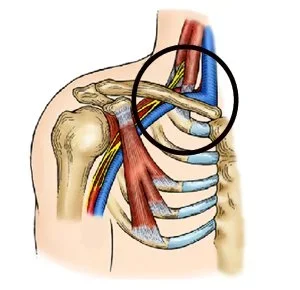
source, wustl.edu
Why the first rib matters more than it looks like it should
The first rib attaches to the spine and the sternum, and the muscles and structures around it are doing a lot of work. The scalene muscles, which originate at the cervical spine, attach directly onto the first rib. The neurovascular bundle supplying the arm, the nerves and blood vessels that run from the neck down into the shoulder and hand, passes directly through this area as well.
That combination is exactly why this small structure has an outsized effect. When the tissue around the first rib gets tight or restricted, it is sitting right on top of the pathway that supplies sensation and blood flow to the entire arm.
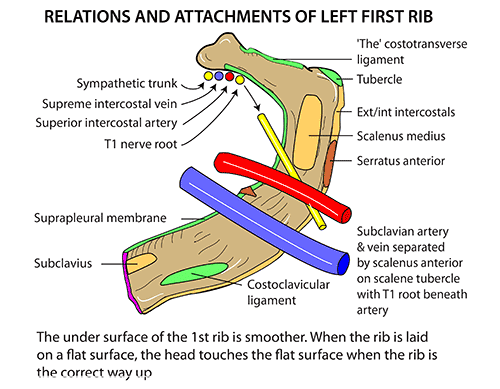
source, instantanatomy.net
How this shows up
Sit slouched at a desk for hours a day and the scalene muscles tend to shorten and stiffen in that position. Over time, that changes the resting tension on the first rib and the surrounding neurovascular structures.
The other pattern I see constantly, especially with the mountain bikers, hikers, and skiers who come through Denver, is heavy pack use. Hours under a loaded pack pulls on the same scalene and first rib complex from a different direction. The complaint is usually neck pain, numbness, or tingling into the arm or hand, and most people never connect it back to this specific area.
If that description sounds familiar, the first rib is worth investigating before assuming the problem lives somewhere else.
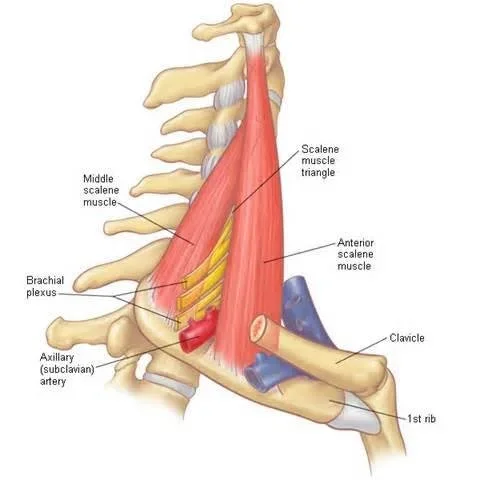
source, healthtap.com
How to mobilize it
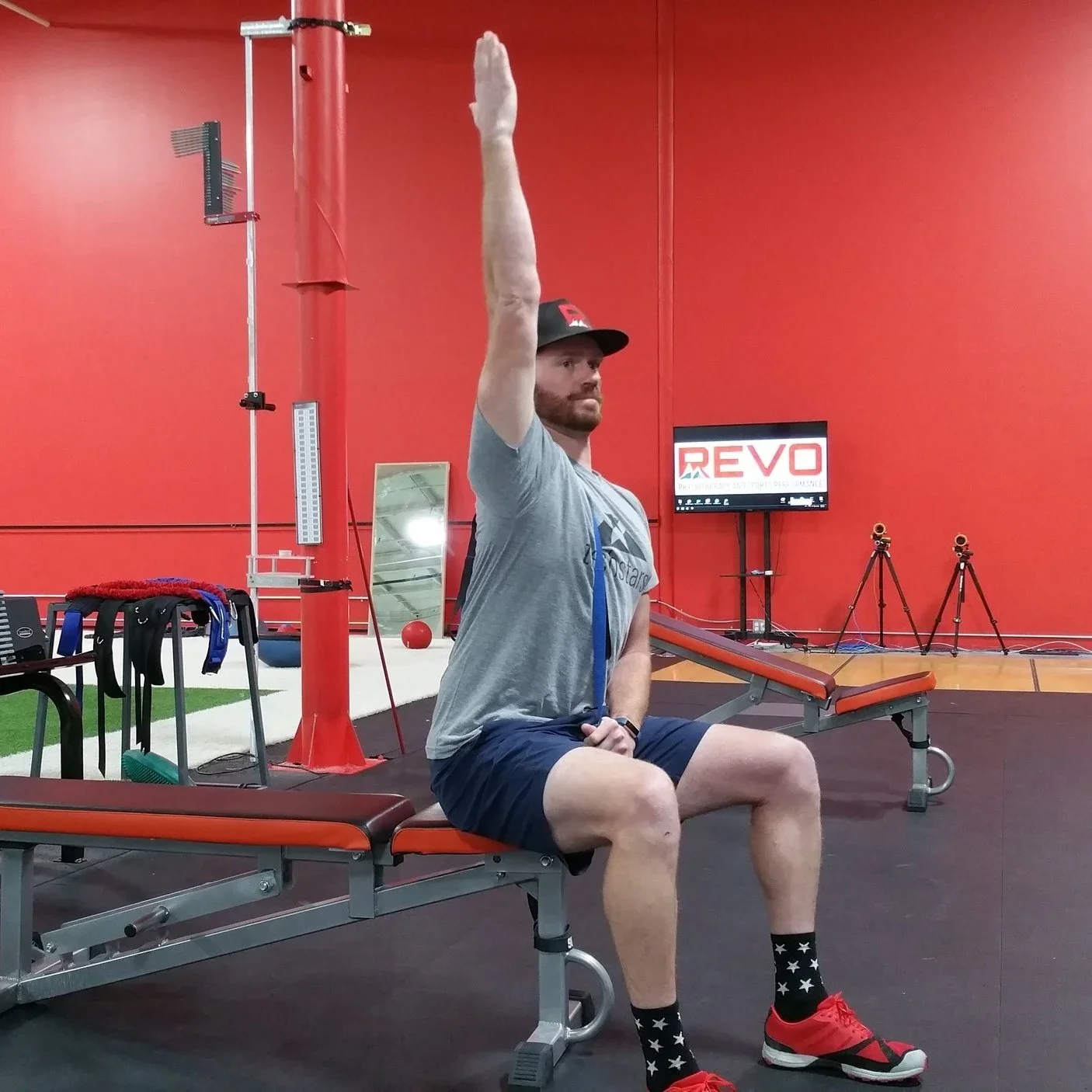
Strap or webbing mobilization. Wrap a yoga strap or a length of climbing webbing around your shoulder near the neck and sit on the ends to anchor it. Sit up tall to create tension through the strap, then add shoulder range of motion while holding that tension. Hold for one to two minutes. If you feel numbness or tingling into the arm, back off immediately.
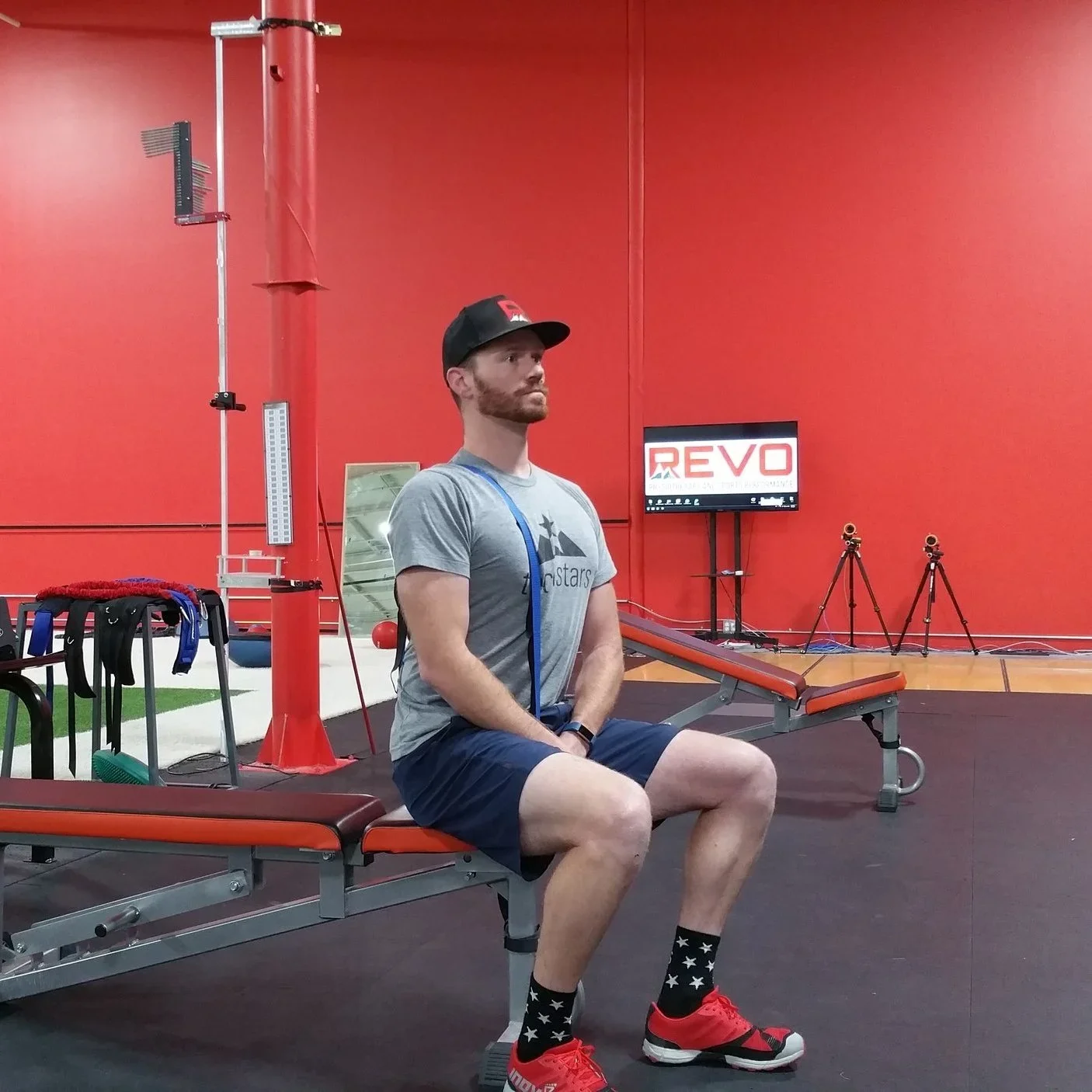
Yoga strap wrapped under the leg and over the shoulder to add pressure to the first rib.
Squat rack mobilization. A more aggressive option. Set a barbell in a rack at roughly shoulder height with a light load. Step underneath so the bar rests against your upper trap near the neck, then stand up into it, applying direct pressure through that area. Add shoulder range of motion once you're in position. This one is uncomfortable by design, but as always, stop immediately if you notice numbness or tingling in the arm.
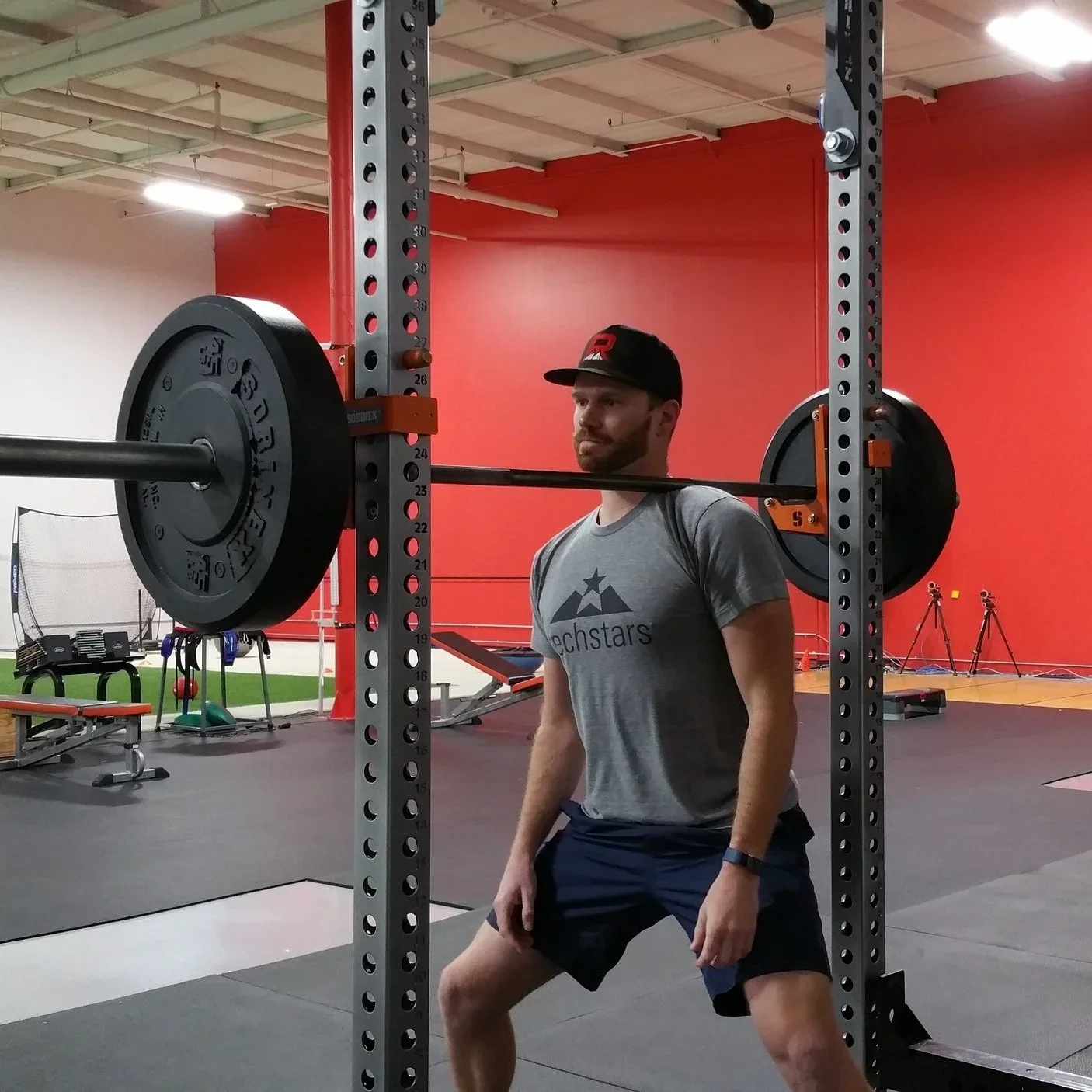
Bar near the neck, pressure through the upper trap onto the rib.
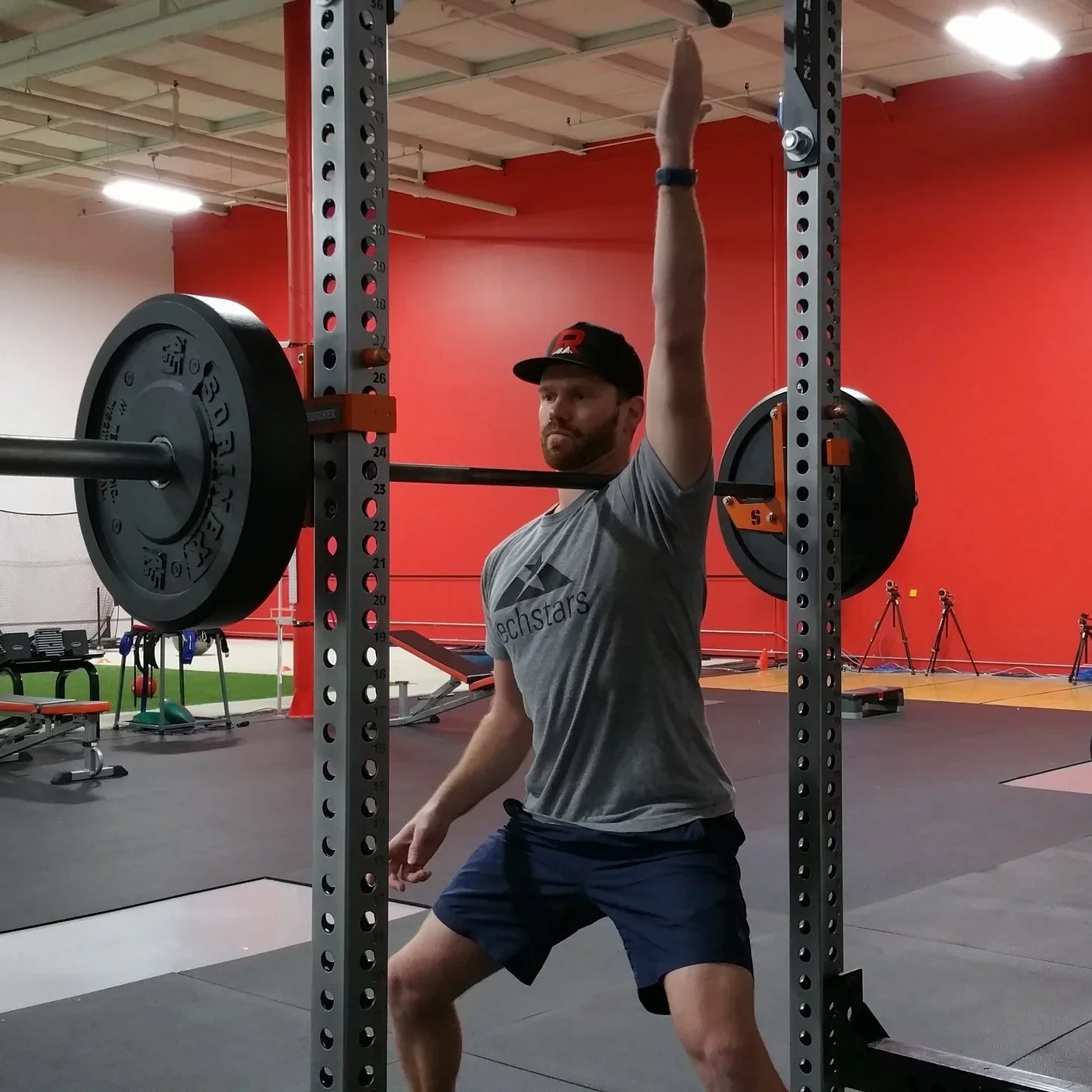
Both of these techniques are aimed at freeing up tissue tension around the first rib and scalenes, which in turn takes pressure off the neurovascular structures running through that space.
If you deal with chronic neck tightness, or arm symptoms that show up after long days with a pack or long days at a desk, this is a simple structure to start checking. It rarely gets attention, but it is frequently part of the picture.